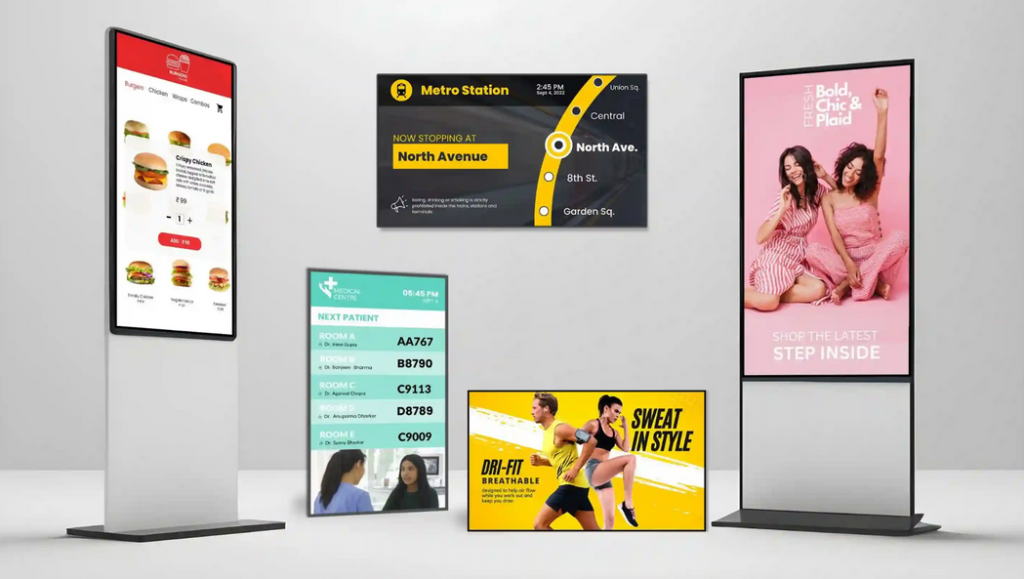
In the age of information overload, digital signage has become one of the most effective ways to grab attention, communicate key messages, and create engaging experiences for your audience. From airports and shopping malls to corporate offices and retail stores, digital signage can be seen everywhere, delivering content in real-time, dynamically and visually. However, to make digital signage work for you, the content you display must be more than just eye-catching – it needs to be clear, effective, and impactful. In this blog post, we will explore how to create effective content for digital signage that resonates with your audience and achieves your objectives.
1. Understand Your Audience
The first step in creating effective content for digital signage is understanding your audience. Without knowing who you’re communicating with, it’s impossible to design content that engages or motivates them. This means you need to consider a few key factors:
- Demographics: Are they young or old? What is their gender? Are they professionals or shoppers?
- Location: Where are they located? What type of environment are they in – a mall, an office, or a transportation hub?
- Context: What is their purpose for being in that specific location? Are they waiting for a flight, shopping, or attending a meeting?
By answering these questions, you’ll have a much clearer idea of what kind of content will resonate with them. For example, content displayed in a shopping mall might be more visually appealing and product-driven, while content for an airport might need to be informative and focused on directions, schedules, and services.
Read More: Safeguarding Your Steaks: The Importance of Reliable Battery Backup for Refrigerators
2. Set Clear Objectives
Every piece of content should have a specific goal. Without clear objectives, your digital signage content risks becoming a distracting noise rather than a valuable communication tool. Before you create any content, ask yourself what you want to achieve with it. Some common objectives for digital signage include:
- Brand Awareness: Promote your brand through visuals, messaging, and design.
- Information Dissemination: Display real-time information like schedules, directions, or news updates.
- Promotion and Advertising: Showcase special deals, product launches, or upcoming events.
- Customer Engagement: Encourage customers to interact with your brand or provide feedback.
Once you have a clear objective, you can structure the content accordingly to ensure it fulfils the goal effectively. For instance, if you’re aiming for brand awareness, use your company’s logo and colours, while promotional content may require compelling calls-to-action (CTAs).
3. Keep It Simple and Focused
Digital signage is all about delivering quick and impactful messages, and that means you need to keep things simple. Unlike static print ads or websites where viewers can take their time, digital signage content often appears for just a few seconds, meaning your audience will have little time to absorb the message. With that in mind, here’s how you can keep things concise:
- Short Text: Avoid long paragraphs. Focus on short, punchy sentences or even just keywords. Use larger fonts and keep the wording easy to read from a distance.
- Focus on One Message: Don’t overwhelm your audience with too many ideas. Stick to one core message per screen. If you have multiple messages, create separate slides or screens for each one.
- Visual Appeal: Let images, videos, or graphics do the heavy lifting. People are often drawn to visuals more than text, so leverage high-quality images or videos that align with your message.
Remember, the simpler your content, the more likely people are to remember it. You don’t have the luxury of their attention for long, so make every second count.
4. Choose the Right Content Formats
There are various content formats available, and choosing the right one is crucial for making your digital signage effective. The most common content formats include:
- Text-based content: Perfect for simple announcements, quotes, or small messages. Keep text large and easy to read from a distance.
- Images: High-quality images can make a big impact, especially when paired with minimal text. Images of people, products, or places are often more effective than generic stock photos.
- Videos: Videos are the most engaging content type for digital signage. A short video with great visuals and a clear message can capture your audience’s attention and hold it for longer than static content. Just be mindful of video length – it’s best to keep videos between 10 and 30 seconds to ensure maximum engagement.
- Interactive Content: Some digital signage solutions offer interactive elements like touchscreens. This can be used for product catalogues, wayfinding, surveys, or even games. Interactive content is a great way to engage your audience more deeply.
- Real-time Data: For environments where up-to-date information is needed, like airports, train stations, or corporate offices, live data such as news, weather updates, or flight information can add tremendous value.
Choosing the right format depends on the context and purpose of the signage, as well as the technology available.
5. Use Consistent Branding
Your digital signage content should reflect your brand identity. Consistency in design, colours, fonts, and messaging helps build recognition and trust. The visual style should align with your overall marketing strategy, so viewers immediately know the content is from your brand.
- Colour Palette: Stick to your brand’s colour palette to reinforce brand identity and improve readability. Avoid using too many colours, as this can cause visual clutter.
- Typography: Use easy-to-read fonts that reflect your brand’s tone. Avoid overly decorative fonts that may be hard to read from a distance.
- Logo: Include your company’s logo in a prominent, but non-distracting, place on the screen. Ensure that the logo is displayed in the same size and position across all screens to maintain consistency.
6. Optimise for the Medium
Digital signage is unique because it typically involves large screens in public spaces. This means you need to optimise your content for visibility and legibility in that environment:
- Font Size: Ensure the text is large enough to be readable from a distance. The general rule is to use a font size of at least 30px for body text and larger sizes for headlines.
- Contrast: Make sure there is high contrast between the text and the background. Light text on a dark background (or vice versa) is easier to read, especially in dim or bright environments.
- Layout: Use a simple and clear layout. Avoid cramming too much content onto the screen. Instead, break up information into digestible pieces that guide the viewer’s eye.
Also, remember that different digital signage displays have different resolutions. Ensure your content is designed to be adaptable, whether the display is a 16:9 widescreen or a portrait-style screen.
7. Test and Iterate
The best way to ensure your content is effective is to test it in the real world. Digital signage offers the advantage of flexibility, allowing you to change content quickly. Monitor the performance of your signage and gather feedback from your audience. If something isn’t working, adjust the content accordingly.
Read More: Top Hiring Considerations for Glass Company in Twin Falls
Consider running A/B tests with different designs or messages to find out what resonates most with your viewers. Small tweaks can make a big difference in engagement and effectiveness.
For wider commercial, hospitality, or public-facing projects, small supporting details can make the finished space feel more complete. Composite decking can provide a durable, low-maintenance surface for terraces, entrances, outdoor seating areas, and customer-facing spaces; while hand dryers can support cleaner, more efficient washroom facilities; while traditional signage can add character, direction, and brand presence.
Conclusion
Creating effective content for digital signage is both an art and a science. By understanding your audience, setting clear goals, keeping your content simple and focused, and optimising it for the medium, you can ensure your digital signage is more than just a decorative element – it becomes a powerful tool for communication, engagement, and promotion. Whether you’re creating content for a retail environment, a corporate space, or a public venue, following these principles will help you get the most out of your digital signage investment and maximise its impact.